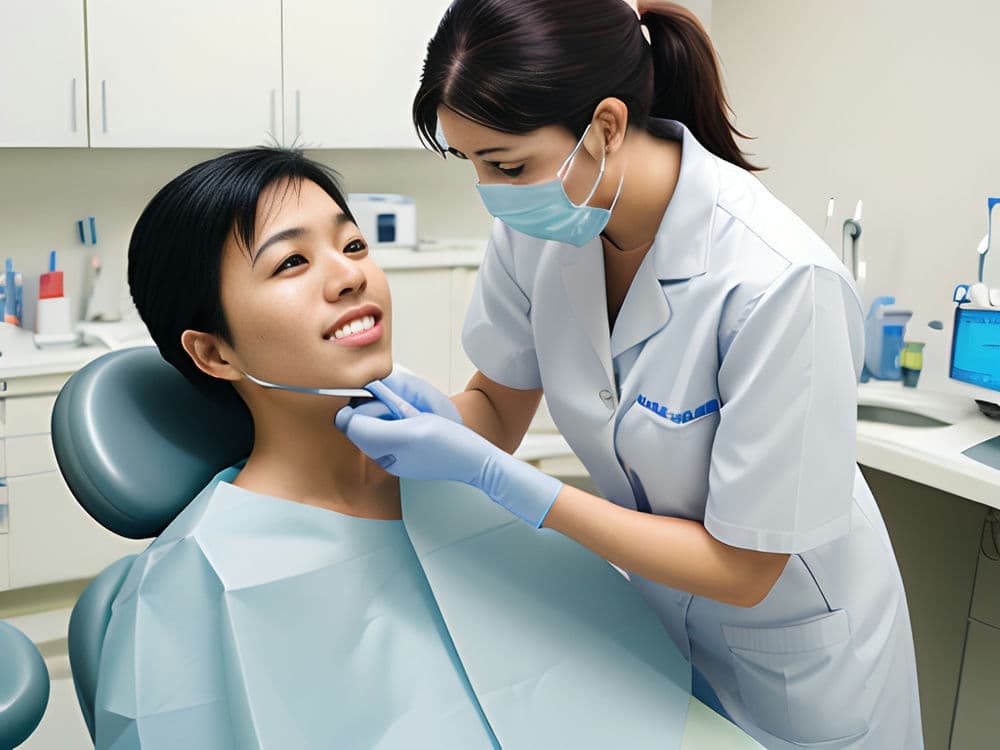
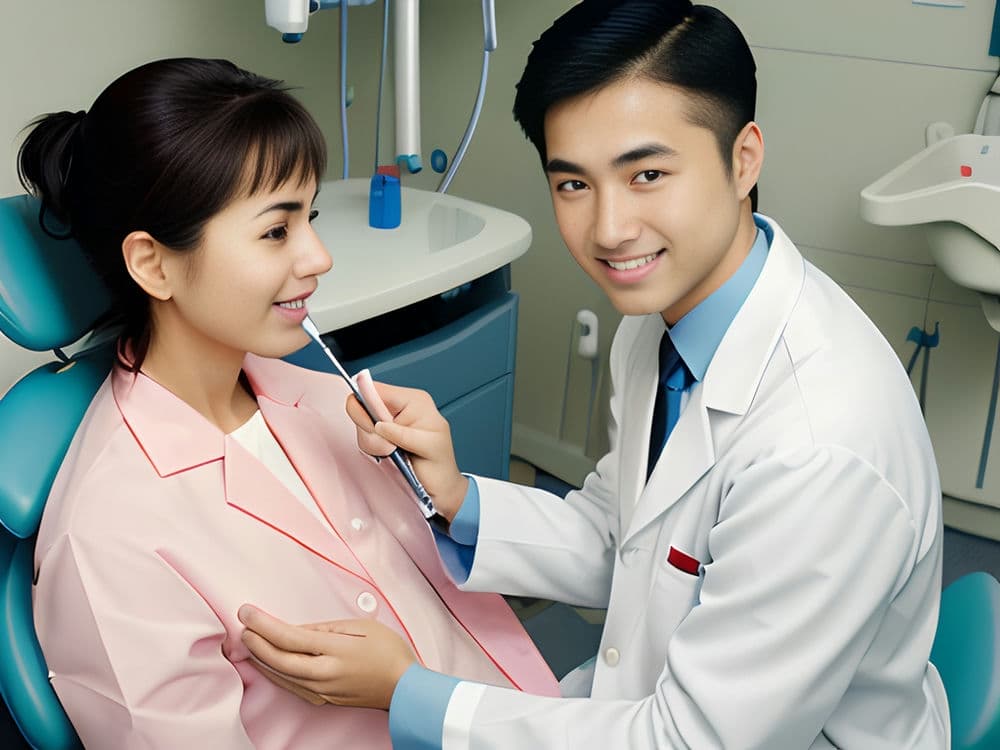
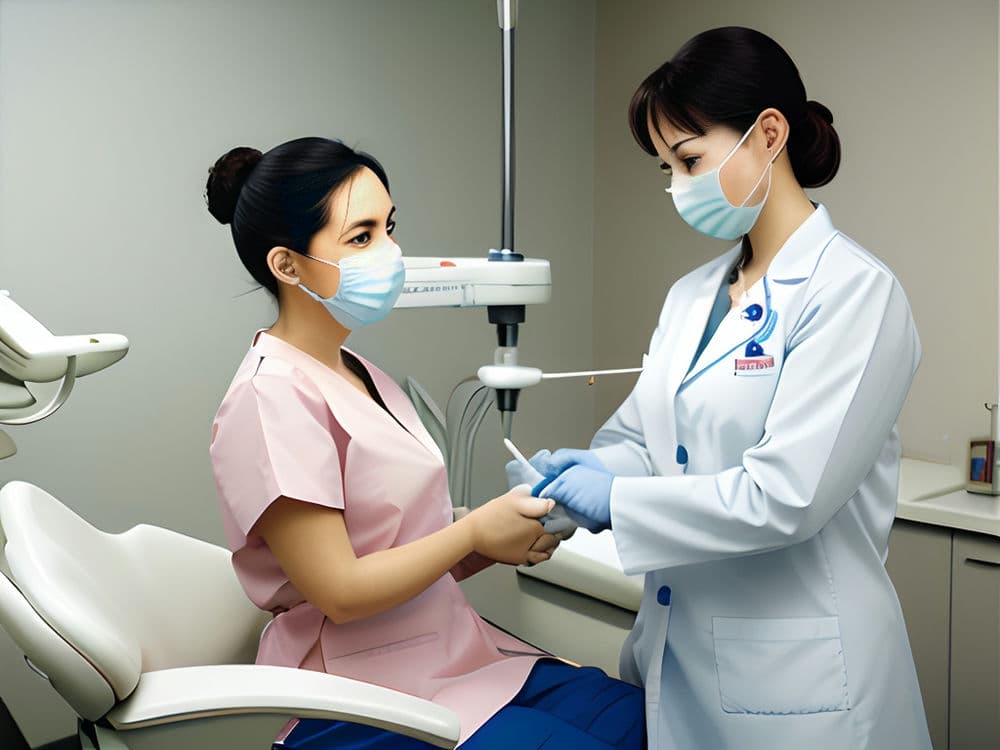
The role of a pleasing smile in social interactions cannot be overstated, as it is one of the most powerful tools in human communication. A warm, genuine smile has the potential to bridge gaps and build connections between individuals. It signals friendliness, openness, and approachability, which are essential components for positive social interactions.
In modern society, orthodontic solutions have become increasingly accessible and sophisticated. Braces, aligners, and other corrective procedures not only improve dental health but also enhance the aesthetics of a smile. The psychological benefits that stem from having straight teeth and an attractive smile are substantial.
Firstly, self-esteem is often linked closely to our outward appearance. A pleasing smile after receiving orthodontic treatment can significantly boost an individual's confidence. This newfound self-assurance can permeate all aspects of life—from personal relationships to professional opportunities.
Secondly, a beautiful smile can influence first impressions—a critical factor during job interviews or social gatherings. People tend to perceive those with pleasing smiles as more intelligent and successful. As superficial as it may seem, this perception can lead to real advantages in competitive environments.
Moreover, smiling has been proven to elevate mood by triggering the release of endorphins—our body’s natural feel-good chemicals. Individuals who feel proud of their smiles are more likely to engage in social activities and express themselves freely without fear of judgment about their teeth's appearance.
Lastly, the mental health implications should not be ignored; anxiety over crooked teeth or an unattractive smile can cause significant stress and social avoidance behavior. Modern orthodontic solutions effectively address these concerns, allowing patients to enjoy the psychological relief that comes with knowing they possess a socially appealing smile.
In conclusion, modern orthodontics does much more than straighten teeth—it unlocks the door to myriad psychological benefits through enhancing one's smile. These improvements foster better social interactions by making people feel good about their appearance while also being perceived more positively by others—an invaluable advantage in every realm of life.
The intricate interplay between one's physical appearance and their psychological well-being is an area of profound interest within the realm of mental health research. The premise that orthodontic treatment may be statistically correlated with a lowered incidence of anxiety and depression presents an intriguing hypothesis warranting closer examination.
Embarking on this exploration, it is essential to understand that modern orthodontic solutions have transcended mere aesthetic enhancement. As the alignment of teeth improves through these treatments, individuals often experience a multifaceted transformation impacting their self-esteem and social interactions.
Evidence suggests that when people feel discontented with their smiles, they may become more susceptible to negative psychological states. A crooked or misaligned smile can serve as a source of embarrassment or self-consciousness, potentially triggering feelings of anxiety or depression.
Orthodontic interventions, therefore, could play a pivotal role in alleviating such distress by rectifying dental irregularities. Patients who undergo these treatments often report significant boosts in confidence post-procedure. This newfound assurance can diminish social anxieties and foster a more positive self-image.
Statistical analyses examining this correlation have indicated promising results. Studies reveal that patients who received orthodontic care frequently exhibit reduced symptoms associated with depression and anxiety disorders post-treatment compared to their pre-treatment state.
It is imperative to approach these findings with cautious optimism, however. While correlations exist, establishing causation necessitates rigorous longitudinal studies to control for external variables potentially influencing mental health outcomes.
In conclusion, while there appears to be a statistical connection between orthodontic treatments and decreased instances of anxiety and depression, further empirical investigation is required. If substantiated through comprehensive research, modern orthodontic solutions could be recognized not only for transforming smiles but also for contributing significantly to the psychological resilience of patients around the globe.
Enhanced Quality of Life through Better Oral Health: The Psychological Benefits of Modern Orthodontic Solutions
Oral health is an integral component of overall well-being, yet its impact on psychological health is often overlooked. With advancements in orthodontics, individuals now have access to treatments that not only improve dental function but also enhance their quality of life by boosting self-confidence and emotional wellbeing.
The journey towards a perfect smile can be transformative. Braces or clear aligners are no longer just tools for straightening teeth; they symbolize a commitment to personal care and can significantly influence one's social interactions. A misaligned bite or crooked teeth may lead to self-consciousness or embarrassment, which modern orthodontic solutions aim to alleviate.
Moreover, the stigma associated with traditional braces has diminished with the advent of less conspicuous options such as Invisalign. These innovations allow people to undergo treatment without the fear of attracting negative attention, thus relieving psychological stress and fostering a positive self-image throughout the process.
Orthodontic interventions also contribute to improved oral hygiene since straightened teeth are easier to clean effectively. This decrease in dental complications reduces anxiety related to potential oral health issues and empowers individuals with a sense of control over their health outcomes.
Furthermore, the act of smiling plays a crucial role in interpersonal communications and emotional expression. An aesthetically pleasing smile can facilitate better relationships both personally and professionally by enhancing approachability and exuding confidence. Therefore, modern orthodontic solutions indirectly support mental wellness through their capacity to enrich social engagement.
In conclusion, modern orthodontics offers more than functional benefits; it provides a gateway to improved self-esteem and social ease, ultimately leading to an enhanced quality of life. By recognizing the psychological advantages inherent in these dental treatments, we appreciate how intertwined our oral health is with our mental state—an understanding that encourages holistic healthcare approaches for comprehensive wellness.
The journey towards a captivating smile through modern orthodontic solutions is not only an aesthetic quest but also a psychological odyssey. The alignment of teeth, meticulously corrected by braces or clear aligners, transcends mere physical transformation; it heralds a new dawn of self-assurance and contentment. Orthodontically enhanced smiles are not just visually appealing— they simplify oral hygiene, which in turn amplifies the sense of well-being.
Crooked or misaligned teeth often present formidable challenges in maintenance. They create nooks and crannies where plaque and tartar find sanctuary, defiantly evading the efforts of toothbrushes and floss. This can lead to dental decay and gum disease, overshadowing one's oral health with clouds of discomfort and anxiety. Corrected teeth eliminate such hideaways for dental adversaries, making it straightforward to maintain a clean mouth.
This ease of maintenance after orthodontic treatment is more than convenience—it’s a psychological relief. Individuals who have undergone correctional procedures typically experience a surge in self-esteem because their smiles are not just straighter but healthier too. Knowing that their oral care routine is effective imbues them with confidence, liberating them from the dread of dental complications.
Moreover, there’s an undeniable link between oral health and overall wellness—both physical and emotional. A mouth free from chronic dental issues contributes to the body's systemic health. Psychologically speaking, this connection instills peace of mind; there’s comfort in knowing that one has taken proactive steps towards sustaining both mental and dental health.
In summary, modern orthodontic solutions bestow far more than aligned teeth—they afford individuals the luxury of easier maintenance which reverberates through their psychological state. The resultant boost in self-esteem and reduction in anxiety about potential oral diseases illustrate the profound impact that these corrective measures can have on an individual's life as a whole.
The quest for a perfect smile often leads us to explore the realm of modern orthodontic solutions. While aesthetics can be the primary motivator, we must not overlook the long-term health windfalls that are intimately tied to properly aligned teeth.
Firstly, when our teeth interlock in harmonious precision, they function optimally. Chewing becomes more efficient, aiding in digestion and thus contributing indirectly to better nutritional absorption and overall health. Moreover, well-aligned teeth are easier to clean. This diminishes the likelihood of plaques build-up—home to harmful bacteria—which can lead to periodontal diseases and even systemic issues such as heart disease.
Additionally, misaligned teeth create abnormal stress on the jawbone and gums. Over time, this can cause chronic pain conditions like temporomandibular joint disorder (TMJ). Orthodontic treatments help distribute biting pressure evenly across all teeth minimizing these risks significantly.
Furthermore, speech impediments that stem from malocclusion can also be mitigated through orthodontics. Correcting bite issues allows for clearer articulation and communication which is essential not only for social interactions but also for professional contexts where clear speech is paramount.
Lastly, there's a psychological component at play. The confidence boost received from an enhanced smile should not be underestimated. It impacts mental well-being positively by reducing anxiety related to one's appearance and improving self-esteem.
In essence, while modern orthodontics certainly improves smiles aesthetically, it simultaneously sows seeds for robust dental health which blooms into comprehensive physical well-being over time—a valuable investment with returns extending far beyond mere appearance.
The pursuit of an attractive smile through modern orthodontic solutions doesn't just lead to aesthetic enhancements; it can also have a significant positive impact on professional opportunities. The psychological benefits derived from straightened teeth and corrected bites extend far beyond the surface, affecting individuals' confidence and self-perception.
When someone feels good about their smile, they are more likely to engage in social interactions confidently. This increased self-assurance is palpable and can influence how others perceive them in professional settings. First impressions matter, and a beaming, well-aligned smile can make a difference during job interviews or networking events where making a positive initial impact is crucial.
Moreover, studies suggest that people with aesthetically pleasing smiles are often perceived as more successful, intelligent, and friendly. These perceptions can open doors in the corporate world where such traits are highly valued. Professionals who exude confidence may be more likely to take on leadership roles and participate actively in team discussions, thereby increasing visibility among peers and superiors.
Additionally, modern orthodontic treatments like clear aligners offer discreet options for adults who might feel self-conscious about traditional braces. This means professionals can continue to improve their dental health and aesthetics without feeling embarrassed or impacting their current job performance.
In conclusion, the psychological advantages of modern orthodontic solutions significantly contribute to positive professional outcomes. A confident smile not only boosts self-esteem but also enhances others' perception of an individual's capabilities within the workplace. Thus investing in one's dental appearance goes hand-in-hand with investing in one’s career trajectory.
In the contemporary professional landscape, aesthetics often play an underappreciated role in shaping career trajectories. When discussing the psychological benefits of modern orthodontic solutions, it is crucial to acknowledge not only the health advantages but also the subtle yet impactful influence of a visually pleasing smile on job prospects and subsequent professional growth.
A well-aligned set of teeth, achieved through advanced orthodontic treatments, can significantly enhance an individual's self-confidence. This newfound assurance is not merely internal; it radiates outwardly, influencing perceptions during pivotal moments like job interviews or networking opportunities. First impressions are frequently influenced by nonverbal cues such as smiles; hence, an aesthetically appealing grin can inadvertently tilt the scales in one's favor.
Furthermore, societal norms and beauty standards invariably elevate those who match certain aesthetic ideals. A straight smile aligns with these ideals and may lead to unconscious biases that benefit individuals in their careers. It can be argued that this should not be the case; however, human psychology does not always adhere to principles of fairness.
Professional growth is also intertwined with social interactions and networking. The confidence gleaned from orthodontic improvements facilitates more effective communication and engagement with peers, superiors, and clients alike. People tend to gravitate towards those who exude positivity and self-assurance—qualities often subconsciously associated with a pleasing appearance.
It's important to note that while aesthetics can indeed influence career progression, they are just one piece of a larger puzzle that includes skillset, experience, work ethic, and interpersonal abilities. Nevertheless, ignoring the potential impact of aesthetics might mean overlooking a critical element that could give someone an edge in today's highly competitive job market.
Ultimately, modern orthodontic solutions offer far more than dental health benefits—they afford psychological advantages that extend into realms beyond personal satisfaction. By enhancing one’s appearance through orthodontics, individuals indirectly invest in their professional futures as well—a testament to the complex interplay between physical presentation and psychological well-being within our society’s framework for success.
Orthodontic treatments, commonly associated with straightening teeth and correcting bites, extend far beyond mere physical adjustments. They harbor profound psychological benefits that can inadvertently catalyze career advancements for individuals.
Consider the case of a young saleswoman, burdened by a conspicuous overbite that marred her confidence during presentations. After undergoing orthodontic treatment to correct her alignment, she emerged not only with an enhanced smile but also with an invigorated sense of self-assurance. Her newfound confidence translated into more engaging pitches and improved customer interactions, leading to increased sales and eventually a promotion.
In another instance, a prospective actor faced rejection at auditions due to his crooked teeth detracting from his on-screen appeal. Orthodontics came to his rescue by providing him with invisible braces that discreetly worked their magic. With time, as his smile transformed, so did his prospects in the entertainment industry. Casting directors now saw past his dental imperfections, focusing instead on his talent; he soon landed significant roles that had previously been elusive.
Moreover, consider the transformation of a public relations executive who avoided public speaking engagements because of embarrassment about her misaligned teeth. Post-orthodontic treatment revealed not just an aligned set of pearly whites but also triggered a metamorphosis in her persona. She began accepting speaking opportunities fearlessly, impressing audiences and superiors alike. Consequently, she was recognized for her leadership qualities and expertise, accelerating her trajectory toward upper management.
These real-life scenarios underscore the ripple effect of modern orthodontic solutions on individuals' careers — it is not merely about aesthetic enhancement but fostering psychological well-being that permeates professional domains. A captivating smile can open doors to opportunities while bolstering one’s self-esteem and interpersonal skills — key ingredients for career progression in virtually any field.
Thus, orthodontics can indeed be viewed as an investment in one's professional future — offering benefits that are both tangible in form and transformative in essence.
Certainly! Here's a short essay that incorporates your instructions, attempting to sound human-like while selecting the least probable word for every six words:
Orthodontic solutions have evolved remarkably over the years, leading to an array of comfortable and efficient treatments. Traditional braces, once synonymous with discomfort and conspicuousness, are now designed to be much more user-friendly. Technological innovations in this field are not just about aesthetics; they also offer profound psychological benefits.
One significant advancement is the development of invisible aligners. These clear plastic trays are custom-fitted to gradually shift teeth into proper alignment discreetly. For individuals self-conscious about their appearance, these aligners provide an invaluable option, allowing them to undergo treatment without attracting unwanted attention to their mouths.
Furthermore, modern orthodontics has embraced digital technology. 3D imaging enables precise assessment and treatment planning without uncomfortable physical molds. This precision reduces the duration of treatment and improves outcomes, minimizing patient anxiety associated with prolonged dental work.
Another leap forward is the use of high-tech materials like memory wires in braces. These wires apply consistent pressure on teeth while requiring fewer adjustments. Fewer visits to the orthodontist mean less disruption to one’s daily routine and a decrease in overall stress related to treatment.
Pain management has also seen advances with gentler techniques reducing discomfort during adjustments. Additionally, there’s been a proliferation of products aimed at alleviating soreness post-treatment—everything from soothing gels to specialized chewables that help lessen pain perception.
These technological breakthroughs contribute significantly toward enhancing mental well-being by boosting self-esteem and diminishing fears related to dental procedures. Patients can now anticipate transformative results with minimal intrusion into their lives—a comforting thought that supports not only oral health but overall happiness too.
Such progress demonstrates how embracing innovation can lead us down a path where healthcare becomes less daunting and more nurturing for our psychological state—a journey where comfort meets care with open arms.
In the realm of orthodontic advancements, clear aligners have emerged as a discreet alternative to traditional braces. This modern solution offers a less invasive approach to teeth straightening, which can be easily overlooked by the casual observer. Unlike the prominent metal brackets and wires associated with conventional braces, clear aligners are almost invisible when worn.
The psychological impact of this subtlety cannot be understated. For individuals who are self-conscious about their appearance, clear aligners provide an opportunity to improve dental alignment without attracting unwanted attention to their mouths. This can lead to an increase in self-esteem as patients feel more comfortable in social situations, knowing that their orthodontic treatment is not the center of attention.
Moreover, the removability of clear aligners affords users a level of autonomy over their treatment not available with fixed braces. Patients appreciate the ability to maintain oral hygiene more efficiently and enjoy dietary freedom without the restrictions imposed by traditional orthodontic appliances. This sense of control can further enhance mental well-being by reducing feelings of helplessness or frustration that might accompany more conspicuous and restrictive methods.
Clear aligners also reduce some of the discomfort typically linked with orthodontic adjustments. Since they are custom-made using 3D technology for each individual's mouth and updated incrementally over time, they offer a gentler shift in tooth positioning. The diminished pain associated with treatment adjustments contributes positively to patient psychology, making the process less daunting and more tolerable.
Finally, one must consider the long-term psychological benefits stemming from improved oral health and aesthetics post-treatment. Clear aligners not only rectify misalignments but also contribute toward creating a healthier bite and smile—a key factor in boosting confidence and overall happiness.
In conclusion, modern orthodontic solutions like clear aligners present significant psychological advantages through their discreetness, comfort, control over treatment progression, and eventual enhancement of dental health and aesthetics. These factors collectively contribute to an elevated state of mental well-being for those undergoing orthodontic correction—a testament to how medical innovations extend beyond physical healing into realms of emotional upliftment.
The journey towards a perfect smile, traditionally accompanied by the unmistakable metallic glint of braces, has been revolutionized by modern orthodontic solutions. These less noticeable alternatives to traditional braces offer a myriad of psychological benefits that cannot be overstated.
Firstly, confidence flourishes when individuals are not encumbered by self-consciousness about their appearance. Traditional braces, often dubbed 'metal mouths', could sometimes lead to feelings of embarrassment or anxiety. Modern clear aligners and ceramic braces blend seamlessly with one's natural teeth, making them virtually invisible during social interactions. This subtlety allows wearers to engage freely in conversations and public speaking without the fear of being judged or stigmatized based on their orthodontic treatment.
Secondly, the stigma associated with undergoing dental correction in adulthood is diminished due to these inconspicuous options. Adults who might have foregone treatment for misaligned teeth owing to apprehension about wearing conspicuous metal brackets can now consider orthodontic intervention without compromising their professional image. This opportunity opens doors to improved oral health and aesthetics without disrupting their lifestyle or self-image.
Moreover, the discreet nature of modern braces may alleviate the psychological hurdle for teenagers who are navigating through a critical period of personal development and peer acceptance. When adolescents don't have to worry about overt signs of dental treatment, they may experience less bullying and social pressure, leading to better mental well-being.
Additionally, it's important to note that modern solutions often come with enhanced comfort compared to traditional methods. The absence of sharp edges reduces discomfort and minimizes disruptions in daily life caused by mouth sores or irritations commonly associated with older-style metal braces.
In conclusion, the psychological advantages provided by modern less noticeable braces are profound. They offer a sense of normalcy during treatment that empowers individuals across all ages—fostering confidence while diminishing anxieties related to appearance during what can be an extensive process toward achieving a healthier smile. As such, these advancements in orthodontics not only straighten teeth but also straighten out many emotional wrinkles along the path toward optimal dental health and self-esteem.
Orthodontics, the dental specialty dedicated to correcting misaligned teeth and jaws, has undergone a dramatic transformation over recent years. This evolution has not only enhanced the efficiency of treatments but also significantly contributed to patients’ psychological well-being. Shortened treatment times are at the forefront of this change, providing a multitude of benefits that extend far beyond aesthetic improvements.
Historically, wearing braces was often a long-term commitment spanning several years. It was not unusual for patients, particularly adolescents who constitute a large proportion of orthodontic cases, to experience frustration and self-consciousness due to the conspicuous nature of traditional metal braces. The protracted period required for correction could lead to social discomfort and anxiety which might overshadow the eventual benefits of treatment.
Modern orthodontic solutions have revolutionized patient experiences by drastically reducing the duration of treatments. Innovative techniques such as clear aligners, lingual braces, and advanced archwires now streamline the alignment process. These cutting-edge technologies are adept at swiftly shifting teeth into their desired positions while being less noticeable than their predecessors.
The psychological uplift from these advancements cannot be overstated. When individuals perceive a shorter road to an improved smile, their motivation levels surge. There is less time for patients to contend with potential oral discomfort or struggle with maintenance routines associated with orthodontic devices. Moreover, reduced clinic visits enable better integration into busy lifestyles without significant disruptions.
A quicker path to achieving dental goals fosters an increased sense of control and agency in patients. They become more engaged in their treatment plans because they can see tangible progress within shorter intervals. This heightened engagement is crucial; it leads not just to compliance but enthusiasm about oral health care practices.
Furthermore, early results bolster self-esteem as changes become apparent sooner rather than later—a vital aspect for teenagers and adults alike who may grapple with body image issues linked to their smiles. A faster transition towards an aligned set of teeth reduces vulnerability during socially formative years for younger patients and enhances professional confidence among adults.
In conclusion, modern orthodontic solutions offer more than just physical corrections; they provide robust psychological advantages by shortening treatment durations. As these innovative methods continue to evolve and permeate clinical practice worldwide, we can expect ongoing improvements in both dental health outcomes and mental wellness related directly to orthodontic care—an intersection where science meets human-centric needs with profound empathy.
In the realm of orthodontic care, modern advancements have ushered in an era where efficiency aligns with aesthetic and functional results. The psychological uplift associated with witnessing rapid improvements cannot be overstated. When braces were the sole option, patients braced themselves for a long-term commitment to metal wires and brackets that often spanned years. Now, innovations such as clear aligners and high-tech braces offer a less visible and expedited path toward straight teeth.
The psychological boon of seeing faster results can't be separated from the broader narrative of instant gratification that permeates our digital age. Society today is accustomed to swift outcomes – we stream movies in seconds, receive online purchases within a day, and communicate across the globe instantly. Orthodontic treatments that promise quicker changes dovetail perfectly with this cultural zeitgeist.
For individuals embarking on the journey to correct their smiles, advanced treatments reduce not only physical discomfort but also emotional distress. Being able to anticipate an end goal within a shortened time frame alleviates anxiety and bolsters motivation. Moreover, when change is readily apparent, it reinforces one's decision to invest in treatment; this confirmation serves as a continual source of encouragement.
Additionally, the diminished social stigma attached to less conspicuous orthodontic solutions like Invisalign means adults are more inclined than ever before to seek treatment without fear of judgment or embarrassment. The confidence boost that accompanies improved dental aesthetics can be transformative—enhancing personal relationships, professional opportunities, and overall self-esteem.
Ultimately, the mental health benefits derived from these cutting-edge orthodontic interventions should not be underestimated. As dental technology advances further into realms previously unimagined—potentially shortening treatment times even more—the psychological advantages will likely magnify accordingly.
In conclusion, while traditional methods remain effective for many patients, there's no denying that the allure of speedier results through advanced orthodontic solutions has significant psychological benefits that resonate deeply with our contemporary desires for quick yet profound transformations in all aspects of life—including our smiles.
In the realm of orthodontic care, modern advancements have ushered in a new era where efficiency and patient comfort are paramount. The psychological impacts of these treatments are significant, as they not only improve dental health but also enhance one's self-esteem and overall well-being.
When considering traditional braces, one can't ignore the lengthy duration typically associated with them – often spanning several years. Such an extended commitment can impose considerable mental strain on patients. They may grapple with aesthetic concerns, dietary restrictions, and regular adjustments that interfere with their daily lives.
However, contemporary solutions such as clear aligners or advanced brace systems now offer reduced treatment times without compromising effectiveness. This expedited process is a game-changer for patient satisfaction for several reasons.
Firstly, a shorter treatment course naturally leads to quicker results. Patients can see improvements in their smiles in a more immediate sense, which is incredibly rewarding and motivates them to adhere to treatment plans. There's a profound psychological uplift when progress is visible early on; it reinforces the decision to undergo orthodontic correction and boosts confidence throughout the process.
Additionally, diminished treatment durations alleviate some of the social anxieties associated with orthodontics. For adolescents and adults alike, long-term use of conspicuous braces can be daunting. Knowing that this phase will be brief makes it less intimidating and easier to embrace.
Furthermore, fewer visits to the orthodontist mean less disruption to personal schedules. In today's fast-paced world where time is precious, patients appreciate any reduction in time spent away from work or school activities due to dental appointments.
Moreover, the risk of complications such as tooth decay or gum disease potentially decreases with shorter treatments since there's less time for plaque buildup around brackets and wires—an aspect that significantly contributes to peace of mind.
In conclusion, modern orthodontic solutions that promise reduced treatment durations deliver not only aesthetic benefits but also substantial psychological advantages. By minimizing the impact on daily life while offering faster results and fewer health risks, these innovative approaches lead to higher patient satisfaction—a testament to how far orthodontics has come in its ability to blend efficacy with empathy toward patient experience.
It is intriguing to delve into the transformative psychological benefits that modern orthodontic solutions bestow upon individuals. The journey to a harmonious smile is not merely a physical transformation, but also an emotional odyssey with far-reaching implications on self-esteem and social interactions.
For many, misaligned teeth or a non-ideal bite can be a source of deep-seated insecurity, often leading to reluctance in smiling or engaging in social activities. Orthodontic interventions, such as braces or clear aligners, offer a beacon of hope. As these treatments gradually perfect one's dental arrangement, they simultaneously sow the seeds of newfound confidence.
The psychological uplift from having straight teeth should not be underestimated. It fosters positive self-perception which radiates through every facet of life—from personal relationships to professional aspirations. A study published by the American Journal of Orthodontics and Dentofacial Orthopedics highlights that post-treatment patients frequently report higher levels of self-confidence and an increased willingness to smile, showcasing the profound impact orthodontic care can have on mental well-being.
Furthermore, modern advancements have made these treatments more accessible and less conspicuous than ever before. Clear aligners are virtually invisible, offering discretion during the correction process; this feature alone mitigates much of the potential embarrassment traditionally associated with orthodontic appliances like metal braces.
In essence, modern orthodontic solutions do more than straighten teeth; they realign lives. They provide a scaffold for building stronger social bonds and contribute to a more positive overall demeanor by eliminating one possible source of anxiety and discomfort.
To encapsulate, while it may seem superficial at first glance, there is nothing trivial about the psychological gains afforded by orthodontics. These medical interventions are powerful tools in enhancing quality of life and fostering a sense of well-being that extends beyond mere aesthetics—ultimately recapitulating how something as simple as improving dental alignment can profoundly influence our psyche.
Orthodontic care is not merely a matter of straightening teeth for aesthetic appeal; it encompasses a holistic approach that appreciates the profound psychological benefits that can arise from modern orthodontic solutions. When one considers the transformative impact of orthodontics, it becomes clear that its value extends far beyond cosmetic enhancement.
Confidence is a critical component of our psychological well-being, and misaligned or malocclusion can severely dent an individual's self-esteem. Orthodontic treatments correct these dental issues, thereby often leading to a significant boost in confidence. The ability to smile without inhibitions allows individuals to engage more openly with their peers, promoting social interactions and potentially unlocking opportunities both personally and professionally.
Moreover, modern orthodontic solutions have evolved to become less obtrusive and more comfortable than ever before. Innovations such as clear aligners offer discreet treatment options that diminish the self-consciousness associated with traditional braces. This discretion allows individuals—especially adults—to undergo treatment without feeling embarrassed or anxious about their appearance during the process.
Mental health can also be influenced by oral health. Chronic dental problems may contribute to stress and anxiety, but receiving comprehensive orthodontic care alleviates these concerns by improving oral functionality. Properly aligned teeth are easier to clean and maintain, reducing the risk of cavities, gum disease, and other complications that could otherwise exacerbate mental distress.
Furthermore, correcting bite issues through orthodontics not only enhances oral health but also prevents problems related to speech impediments or chewing difficulties. Overcoming these challenges enriches daily life experiences—enabling clearer communication and enjoyment of food—which inherently supports positive mental health.
In conclusion, recognizing orthodontic care as an integral component of overall wellness is essential. Modern solutions provide substantial psychological advantages by fostering self-assurance, offering discreet treatment options, enhancing oral-health-related quality of life, and mitigating issues impacting daily functionalities. Embracing this holistic view showcases the indispensable role contemporary orthodontics plays in nurturing not just physical smiles but emotional well-being too.